James (Mooney) Ellis (1919 Jewell’s ABCs, 1921 Cleveland Tate Stars, 1923 Memphis Red Sox)
In 1919 Warner Jewell’s A.B.C.’s enjoyed a brief moment as the preeminent Black ball club in Indianapolis. One of its players in the latter part of the season was a little-known infielder called James “Moon” or “Mooney” Ellis, who was signed in July along with Hub McGavock to replace pitcher Ed Harrison and the veteran outfielder Joe Scotland (known as “Old 45”).

Ellis was not a star player, but he did play pro ball for several years, including in 1921 for the independent Cleveland Tate Stars:

Much of Ellis’s career was spent in his hometown of Nashville, playing for the Elite Giants when they were an independent or minor league club. Unfortunately, one of the most substantial pieces of writing published about him was his 1927 death notice in the Nashville Tennessean:

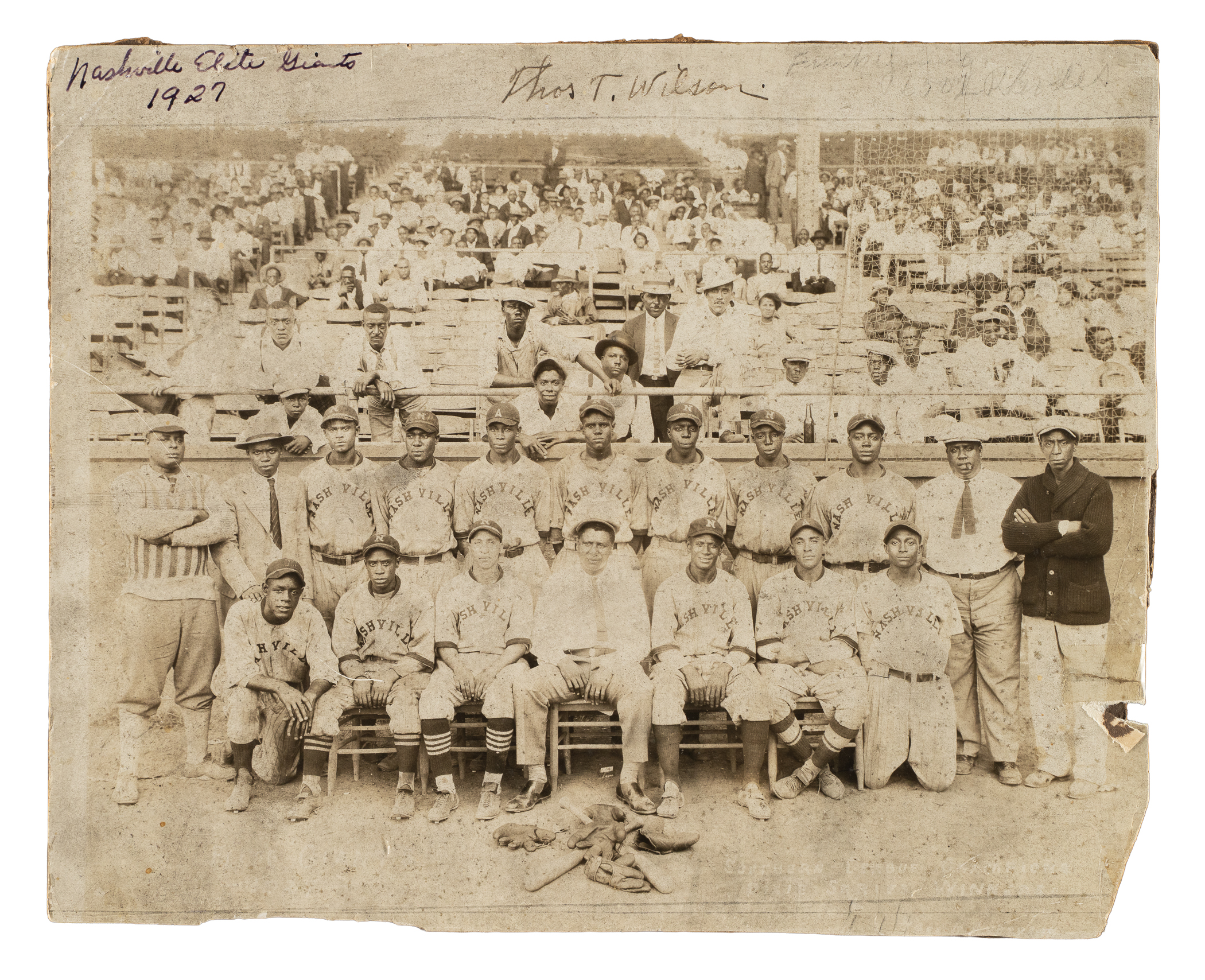
He passed away of heart disease on June 14, 1927, at the age of 32. The pallbearers were all Elite Giants players and officials, including owner Tom Wilson, player-managers Felton Stratton and Joe Hewitt, and pitcher Ed Willis. The undertaker was William H. McGavock, the uncle of Ellis’s old teammate Hub McGavock, who himself was from Nashville and played for the Elite Giants as well as Jewell’s ABCs.
Here is a photograph of the 1927 Elite Giants, which features several of Ellis’s pallbearers—but probably not Ellis, who by that time was evidently too ill to play.

Leave a Reply